Exploring the Benefits of Using Mobile Payment Solutions for Retail Success
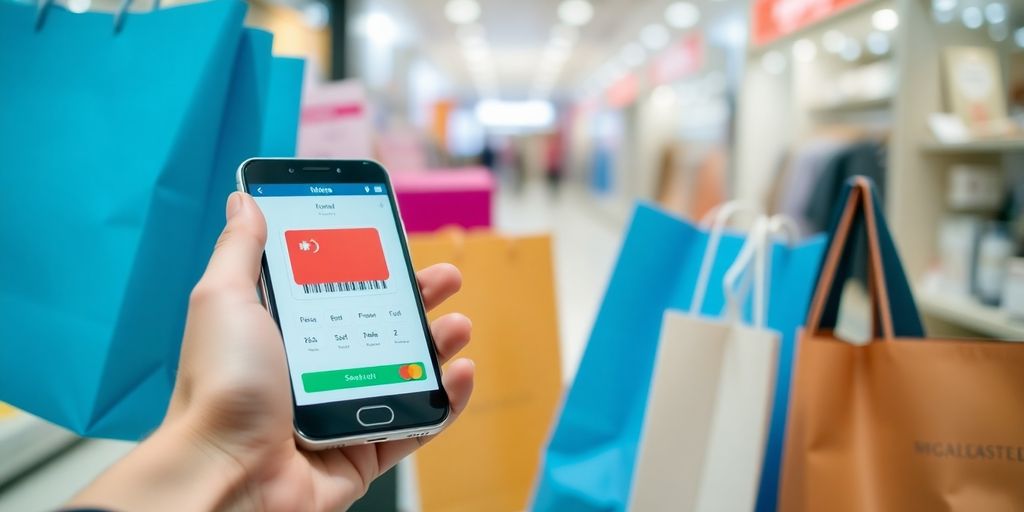
Mobile payment solutions are changing the way we shop. They're fast, easy, and safe, making them a hit with both shoppers and stores. With just a tap on your phone, you can pay for stuff without needing cash or cards. This is not only cool for customers but also helps stores move faster and keep things secure. Plus, with more people using smartphones, mobile payments are becoming a big deal in the retail world.
Key Takeaways
- Mobile payments make shopping quick and simple, ditching the need for cash or cards.
- They offer a secure way to pay, using tech that keeps your info safe.
- Stores can speed up the checkout process, making for happier customers.
- Businesses save money by cutting down on transaction costs and hardware.
- Using mobile payments can boost sales and attract more tech-savvy shoppers.
Understanding Mobile Payment Solutions in Retail
What Are Mobile Payment Solutions?
Mobile payment solutions let shoppers pay using their phones or tablets. They cover a range of options like SMS payment and NFC. These methods offer a blend of convenience and flexibility, making them a hit among consumers. Imagine going to a store and just tapping your phone to pay—no need for cash or cards.
Key Features of Mobile Payment Systems
Mobile payment systems come packed with features that make transactions smooth and secure. Here are some standouts:
- Contactless Payments: Just tap and go. It's fast and cuts down on waiting time.
- Mobile Wallets: Store your card details securely on your device, so you don't have to carry physical cards.
- Peer-to-Peer Transfers: Send money to friends or family instantly.
These features make mobile payments not just a trend but a necessity in today's fast-paced retail world.
How Mobile Payments Work in Retail
In a retail setting, mobile payments work by connecting your device to a payment terminal via technologies like NFC or QR codes. Here's a simple rundown:
- Initiate Payment: Open your mobile wallet or payment app.
- Authenticate: Use a fingerprint, PIN, or facial recognition.
- Complete Transaction: Tap your device on the terminal or scan a QR code.
Mobile payments are not just about speed; they also enhance security through encryption and tokenization, making them a safer choice for both retailers and consumers.
Incorporating mobile payment solutions can transform the retail experience, making it more efficient and secure for everyone involved.
Enhancing Customer Experience with Mobile Payments

Streamlining the Checkout Process
Mobile payment systems are changing how we shop, especially in busy places like cafés. They make paying faster and easier. Customers can just tap their phones, and they're done. No more fumbling for cash or cards. This speed is great for businesses too. More customers can be served in less time, which is super helpful during rush hours. Mobile payments help businesses move away from cash and old hardware, making everything smoother.
Personalizing Customer Interactions
Using mobile payments isn't just about speed. It's also about getting to know customers better. When people pay with their phones, businesses can learn what they like to buy. This means they can offer deals or suggestions that fit each customer. Imagine getting a special discount on your favorite coffee just because the shop knows you love it. This makes shopping more personal and fun.
Building Customer Loyalty
When shopping is easy and personal, customers are more likely to come back. Mobile payments help businesses offer loyalty programs that are simple to use. Customers can earn points or rewards automatically when they pay with their phones. This not only makes them happy but also encourages them to return. It's a win-win for both the customer and the business.
Mobile payments are more than just a new way to pay. They make shopping faster, more personal, and rewarding, which keeps customers coming back for more.
Security Advantages of Mobile Payment Solutions
Advanced Encryption Techniques
Mobile payment solutions are all about keeping your data safe and sound. They use advanced encryption techniques to make sure your information stays private. When you make a payment, your data is encrypted from start to finish. This means that even if someone tries to intercept it, they can't read it. It's like sending a message in a secret code that only the intended recipient can understand. Encryption is a big deal in mobile payments because it builds trust with users and keeps their financial data secure.
Fraud Prevention Measures
Fraud prevention is another area where mobile payments shine. These systems use things like tokenization and biometric authentication to stop fraud in its tracks. Tokenization replaces your sensitive information with a unique code, so even if hackers get their hands on it, they can't do much with it. Biometric authentication, like using your fingerprint or face to verify identity, adds an extra layer of security. It's like having a double lock on your door. Mobile payment solutions also keep an eye out for unusual activity, flagging anything that seems off.
Ensuring Data Privacy
When it comes to enhancing payment security, mobile payment solutions do a great job of ensuring data privacy. They don't store your card details on their systems, which means there's less risk of your information being exposed in a data breach. Plus, compliance with regulations like GDPR and PCI DSS means these solutions are serious about protecting your privacy. Your data is handled with care, and businesses using mobile payments don't have to worry as much about managing sensitive information. This focus on privacy is a win-win for both consumers and retailers.
Boosting Sales and Revenue Through Mobile Payments
Increasing Transaction Speed
In the fast-paced world of retail, speed is everything. Mobile payments are like a turbo boost for transactions. With just a tap or a scan, the checkout process speeds up, leaving long lines and frustrated customers in the dust. Faster transactions mean happier customers and more sales. Retailers embracing mobile payments see more customers completing purchases, reducing cart abandonment rates significantly.
Encouraging Impulse Purchases
Ever been in line, spotted something you didn't plan to buy, and grabbed it anyway? Mobile payments make these impulse buys even more tempting. With no need to dig for cash or cards, customers can act on those split-second decisions with ease. This spontaneity can lead to increased sales, as the barrier to purchase is lowered. Retailers can strategically place tempting items near the checkout to capitalize on this behavior.
Expanding Customer Reach
Mobile payments aren't just about speed and convenience—they're a gateway to a broader audience. By accepting various mobile payment methods, retailers can tap into a global market. Tourists and international shoppers often prefer using their mobile wallets, making it essential for businesses to accommodate them. This expanded reach can lead to increased sales and a more diverse customer base.
Embracing mobile payments isn't just a trend; it's a smart business move. By speeding up transactions, encouraging impulse buys, and reaching more customers, retailers can see a noticeable boost in their revenue. As technology continues to evolve, staying ahead with mobile payments can be the key to retail success.
For retailers looking to enhance their mobile payment solutions, integrating these systems can significantly impact their bottom line. Faster checkouts, impulse buys, and a wider customer reach are just the beginning. As the landscape of retail evolves, those who adapt will thrive.
Operational Efficiency and Cost Savings
Reducing Transaction Costs
Mobile payment solutions are a game-changer when it comes to cutting down transaction costs. They often come with lower fees compared to traditional credit card processing methods. This reduction in fees can add up significantly over time, especially for small businesses that operate on tight margins. By adopting mobile payments, retailers can save a good chunk of change.
Simplifying Payment Processing
One of the biggest perks of using mobile payments is how they simplify the payment process. Everything's handled digitally, which means less paperwork and fewer headaches for your staff. Transactions are processed quickly and seamlessly, allowing you to focus on what really matters—serving your customers. Plus, with integrated systems, accounting and reporting become way easier, making your day-to-day operations run smoother.
Minimizing Hardware Investments
Gone are the days when you needed bulky cash registers and expensive POS systems. With mobile payments, all you need is a smartphone or tablet. This not only saves money on initial setup costs but also reduces long-term maintenance expenses. Retailers can invest those savings back into their business, whether it's stocking more inventory or enhancing customer service.
Mobile payment gateways offer significant cost savings for businesses through lower transaction fees and reduced operational costs. They streamline processes, allowing for faster checkouts and automated accounting, which enhances efficiency. Additionally, these systems are scalable, adapting to growing business needs without major overhauls. By integrating inventory management, they help maintain accurate stock levels, ultimately improving customer experience and supporting business growth. Mobile payment gateways
Leveraging Data Insights from Mobile Payments
Analyzing Consumer Behavior
Mobile payments aren't just about making transactions easier; they open up a whole world of insights into consumer behavior. When shoppers use their phones to pay, businesses can gather data on what products are popular, when sales peak, and how often customers make purchases. This info helps retailers understand their audience better. For instance, knowing that a certain product sells more during weekends can guide inventory decisions. Understanding these patterns can lead to smarter marketing campaigns and better stock management.
Optimizing Marketing Strategies
With the data from mobile payments, retailers can fine-tune their marketing strategies. It's like having a backstage pass to what your customers really want. You can create personalized offers and promotions that are more likely to hit the mark. For example, if a segment of your customers frequently buys athletic gear, sending them a discount on the latest sneakers could boost sales. Tailored marketing not only increases sales but also builds customer loyalty.
Improving Inventory Management
Inventory management becomes a breeze with the insights gained from mobile payment data. Retailers can track which items are in high demand and adjust their orders accordingly. This reduces the risk of overstocking or running out of popular items. By knowing exactly what sells and when, businesses can optimize their supply chain and reduce waste. This not only saves money but also ensures customers always find what they're looking for.
Mobile payments are reshaping how businesses operate, providing the data needed to make informed decisions and stay ahead in a competitive market.
Incorporating mobile payment solutions can transform the way businesses interact with their customers, offering a seamless experience that meets modern consumer expectations.
Choosing the Right Mobile Payment Provider

Selecting the right mobile payment provider can feel like a daunting task, but it doesn't have to be. With so many options out there, it's important to weigh the features, costs, and integration capabilities of each provider. Let's break down the key considerations.
Evaluating Provider Features
When choosing a mobile payment provider, check what features they offer. Some providers, like Apple Pay and Google Wallet, offer robust security features such as encryption and tokenization, which are essential for protecting customer data. Look for providers that support multiple payment methods, including contactless payments, QR codes, and digital wallets. Also, consider if they offer analytics tools that can help you understand customer behavior and improve your sales strategy.
Comparing Costs and Fees
Costs and fees can vary widely between providers. Some might charge per transaction, while others have monthly fees or require a percentage of each sale. Make sure you understand their pricing structure to avoid unexpected costs. It's wise to compare a few options to see which one offers the best value for your business. Remember, the cheapest option isn't always the best—sometimes it's worth paying a bit more for better service or features.
Assessing Integration Capabilities
Finally, assess how well the provider integrates with your existing systems. A provider that offers easy integration with your point-of-sale system can save you a lot of headaches. Look for providers with good customer support, as they can assist with any technical issues that arise during the integration process. Additionally, consider whether the provider supports future technologies, like AI integration, which can be crucial for staying competitive in a rapidly evolving market.
Choosing the right mobile payment provider is a critical step in setting up your retail business for success. By carefully evaluating features, costs, and integration capabilities, you can find a provider that not only meets your current needs but also supports your growth in the future.
Future Trends in Mobile Payment Solutions
Emerging Technologies in Mobile Payments
Mobile payments are not just about convenience anymore; they're about embracing cutting-edge tech. One exciting development is the integration of blockchain technology. It promises enhanced security and transparency, making transactions not just faster but also more reliable. Imagine a world where every payment is secure and traceable, thanks to blockchain. Another trend is the rise of biometric authentication. Using your fingerprint or even facial recognition to approve payments is becoming more common, adding a layer of security that passwords just can't match.
The Role of AI and Machine Learning
Artificial intelligence and machine learning are stepping into the spotlight in the payment world. These technologies are being used to spot fraud faster and more accurately than ever before. AI can analyze patterns in transaction data, flagging anything that looks suspicious. It's like having a vigilant security guard for your money, working 24/7. Plus, AI isn't just for security; it's also helping businesses understand customer behavior, tailoring offers and experiences to what people actually want.
Predictions for Retail Payment Innovations
Looking ahead, the retail landscape is set to change dramatically. Cashless stores are becoming a reality, where you simply grab what you need and walk out, with payment happening automatically through your mobile device. This is not science fiction; it's happening now in some places. Also, the use of AI-driven fraud detection is expected to rise, providing retailers with powerful tools to protect themselves and their customers. As these technologies advance, they promise to make shopping not just easier, but more secure and personalized than ever before.
The future of mobile payments is not just about new tech; it's about making everyday transactions seamless and secure, transforming the way we shop and pay.
Conclusion
In the end, mobile payment solutions are more than just a trend—they're becoming a staple in the retail world. They offer a mix of speed, security, and ease that both shoppers and businesses crave. As more folks get comfy with using their phones to pay, retailers who jump on this bandwagon are likely to see some real benefits. It's not just about keeping up with the times; it's about making shopping smoother and more enjoyable for everyone. So, if you're in retail and haven't yet explored mobile payments, now might be the perfect time to start. Embrace the change, and you might just find it pays off in more ways than one.
Frequently Asked Questions
What are mobile payment solutions?
Mobile payment solutions let you pay using your phone or tablet instead of cash or cards. It's quick and easy, often using apps like Apple Pay or Google Pay.
How do mobile payments work in stores?
In stores, you can pay by tapping your phone on a special reader. This uses technology called NFC to send your payment info securely.
Are mobile payments safe?
Yes, mobile payments are safe. They use strong security like encryption and sometimes require your fingerprint or face to approve payments.
What are the benefits of mobile payments for stores?
Stores benefit from mobile payments because they speed up checkout, reduce cash handling, and often cost less than traditional payment methods.
Can mobile payments help build customer loyalty?
Yes, by offering quick and easy payment options, stores can make shopping more pleasant, encouraging customers to return.
What should I consider when choosing a mobile payment provider?
Look for providers that offer good security, low fees, and easy integration with your current systems.


Comments
Post a Comment