Exploring the Best Alternative Payment Methods for E-Commerce in 2025

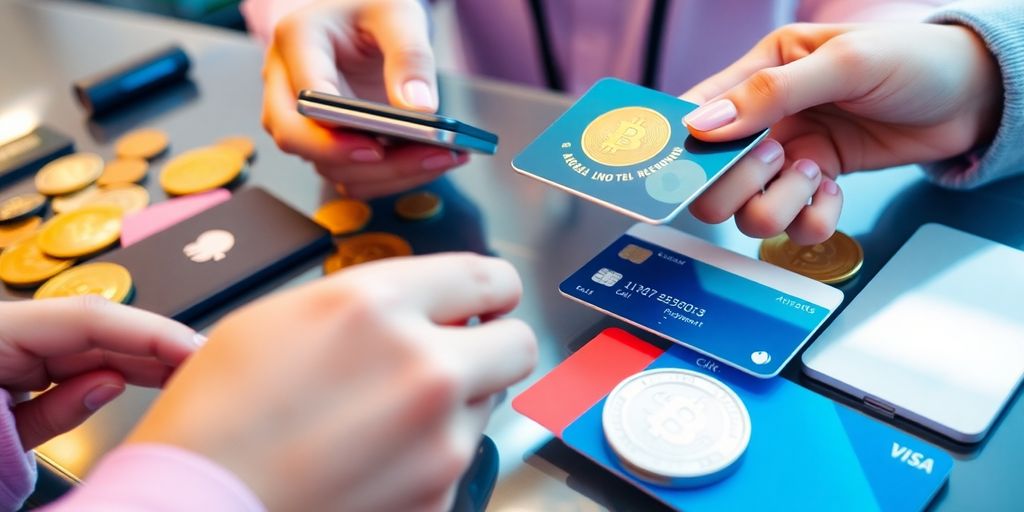
As we move into 2025, the world of e-commerce is buzzing with new ways to pay. It's not just about credit cards anymore. Shoppers want choices, and businesses need to keep up. From digital wallets to buy now, pay later options, the landscape is changing fast. This article dives into the best alternative payment methods for e-commerce in 2025, exploring how these options can benefit both consumers and merchants.
Key Takeaways
- Digital wallets are becoming a must-have for online stores, offering speed and convenience.
- Cryptocurrency is gaining traction, but still faces challenges like volatility and regulation.
- Buy Now, Pay Later services are popular, allowing consumers to spread out payments without interest.
- Mobile payment solutions are essential for capturing the on-the-go shopper market.
- Security remains a top priority, with new technologies enhancing payment safety.
Understanding Alternative Payment Methods
The Rise of Digital Wallets
Digital wallets are becoming a go-to for many shoppers these days. They're super handy because you can just tap your phone and pay without digging for cash or cards. Plus, they keep your payment info safe and sound. People love them for their convenience, and businesses are catching on too. With more folks shopping online, digital wallets are making checkout fast and easy.
Cryptocurrency as a Payment Option
Cryptocurrency is shaking things up in the payment world. It's not just for tech geeks anymore. More stores are starting to accept it, and it's great for people who want to keep their transactions private. But there are still some bumps in the road, like price swings and figuring out the tech. Still, as more people get comfortable with it, crypto is becoming a real option for paying online.
The Role of Mobile Payments
Mobile payments are all about using your phone to pay for stuff. It's like having your wallet in your pocket, but digital. This is especially popular with younger folks who are always on their phones. Businesses are jumping on board because it's quick and easy for customers. Mobile payments are growing because they're simple and secure, making them a big part of how we shop today.
As the world of e-commerce evolves, embracing alternative payment methods is no longer a choice but a necessity. These alternative payment methods offer flexibility and convenience, transforming how we conduct transactions.
The Impact of Buy Now, Pay Later Services
How BNPL Works
Buy Now, Pay Later, or BNPL, is like a modern twist on the old layaway plan, but instead of waiting to get your stuff, you get it right away. It's like having a little loan at checkout. You pick your items, choose BNPL at checkout, and spread the cost over a few weeks or months. Some services charge interest, others don't, but the appeal is getting what you want now and paying over time.
Benefits for Consumers and Merchants
For consumers, BNPL is a game-changer. It makes big purchases feel less daunting because you're not shelling out all the cash upfront. Plus, it's often interest-free if you pay on time. Merchants love it too because it can boost sales. Customers are more likely to click 'buy' when they know they can pay later. It's a win-win.
- Increased Sales: Shoppers are more likely to complete a purchase.
- Higher Average Order Values: People tend to spend more when they don't have to pay everything at once.
- Customer Loyalty: Offering flexible payment options can keep customers coming back.
Popular BNPL Providers
Several companies are leading the charge in the BNPL space. Afterpay and Klarna are two of the big names you might have heard of. They let you split payments into smaller, manageable chunks. Then there's Affirm, which partners with tons of retailers to offer financing options. And don't forget PayPal's BNPL service, which is gaining traction too. Each provider has its own perks and quirks, so it's worth checking out a few to see which one fits your needs best.
BNPL services are reshaping how we think about spending, offering a balance between immediate gratification and financial management.
Exploring Cryptocurrency in E-Commerce
Advantages of Using Cryptocurrency
Cryptocurrency is rapidly becoming a popular choice for online transactions. One of the biggest perks is its enhanced security. Unlike traditional payment methods, cryptocurrencies are decentralized, meaning they aren't controlled by a single entity. This decentralization reduces the risk of fraud and hacking. Moreover, transactions with cryptocurrencies often come with lower fees compared to credit cards, which is a boon for both merchants and consumers.
- Security: Transactions are encrypted, making them highly secure.
- Lower Fees: Typically, crypto transactions incur fewer costs.
- Speed: Transactions are processed faster compared to traditional banking systems.
Challenges and Considerations
Despite the benefits, there are challenges when it comes to using cryptocurrency in e-commerce. The most significant issue is its volatility. Cryptocurrency values can fluctuate wildly, which can be risky for both buyers and sellers. Additionally, there's a learning curve involved as not everyone is familiar with how to use cryptocurrencies.
- Volatility: Prices can change rapidly, affecting the value of transactions.
- Learning Curve: Users need to understand how crypto wallets work.
- Regulatory Concerns: Different countries have varying regulations regarding cryptocurrency.
Top Cryptocurrencies for Transactions
When it comes to choosing which cryptocurrencies to use for e-commerce, some stand out more than others. Bitcoin remains the most widely recognized and accepted cryptocurrency. Ethereum follows closely, known for its smart contract capabilities which can automate transactions. Lastly, stablecoins like Tether offer a less volatile option as they are pegged to traditional currencies.
| Cryptocurrency | Features |
|---|---|
| Bitcoin | Widely accepted, secure |
| Ethereum | Smart contracts, versatile |
| Tether | Stable value, pegged to USD |
As cryptocurrency continues to gain traction in e-commerce, it offers a promising alternative to traditional payment methods. It's not without its challenges, but the potential benefits make it an avenue worth exploring.
The Role of Mobile Payment Solutions
Popular Mobile Payment Platforms
Mobile payment platforms have taken the world by storm, offering consumers a quick and easy way to pay for goods and services. Apple Pay, Google Pay, and Samsung Pay are some of the most widely used options today. These platforms allow users to store their credit or debit card information securely on their smartphones, enabling contactless payments with just a tap. For businesses, integrating these platforms can lead to increased sales as consumers increasingly prefer the convenience of mobile payments. Moreover, platforms like Stripe with Apple Pay provide businesses with seamless payment processing solutions that are both efficient and secure.
Security Features of Mobile Payments
Security is a top priority when it comes to mobile payments. These platforms use advanced technologies like tokenization and biometric authentication to protect users' financial information. Tokenization replaces sensitive card details with a unique identifier, ensuring that actual card numbers are never exposed during transactions. Biometric authentication, such as fingerprint or facial recognition, adds an extra layer of security, making unauthorized access nearly impossible. As these technologies continue to evolve, mobile payments are becoming one of the safest ways to conduct transactions online.
Integration with E-Commerce Platforms
Integrating mobile payment solutions with e-commerce platforms is becoming increasingly essential for businesses looking to stay competitive. Platforms like Shopify, WooCommerce, and Magento offer plugins and APIs that make it easy for merchants to accept mobile payments. This integration not only enhances the checkout experience for consumers but also reduces cart abandonment rates. With the rise of easy online payments, businesses that embrace mobile payment solutions can offer their customers a more streamlined and efficient shopping experience. Additionally, as consumers' trust in mobile payments grows, businesses that offer these options are likely to see an increase in conversion rates.
Digital Wallets: A Convenient Payment Method
How Digital Wallets Work
Digital wallets, also known as e-wallets, are electronic devices or online services that allow individuals to make transactions electronically. They store users' payment information securely and can be used for online purchases, in-store payments, and even peer-to-peer transactions. The process is simple: once your payment information is stored, you can make purchases with just a few clicks or taps. This ease of use has made digital wallets increasingly popular among consumers.
Leading Digital Wallet Providers
Several companies dominate the digital wallet space, each offering unique features and benefits:
- Apple Pay: Known for its security features and ease of use, Apple Pay allows users to make payments using their iPhones or Apple Watches.
- Google Pay: Offers a seamless payment experience across Android devices and integrates with various Google services.
- PayPal: A long-standing player in the online payment industry, PayPal provides a versatile digital wallet that supports a wide range of payment methods.
Security and Privacy Concerns
While digital wallets offer convenience, they also raise security and privacy concerns. Users must ensure their devices are secured with strong passwords and biometric authentication where possible. Digital wallet providers often employ encryption and tokenization to protect users' data, but it's crucial for consumers to remain vigilant.
Digital wallets are transforming the way we handle transactions, blending convenience with the need for robust security measures. As they become more integrated into our daily lives, understanding their functionality and security features is essential for safe usage.
Incorporating alternative payment methods like digital wallets into e-commerce platforms can significantly reduce checkout times and increase conversion rates, enhancing the overall shopping experience. As the digital landscape evolves, keeping up with these trends is vital for businesses looking to optimize sales and foster customer loyalty.
The Future of Payment Gateways
Trends in Payment Gateway Technology
In 2025, instant payments are expected to dominate the payment landscape, transforming how businesses and consumers interact financially. With the rise of digital public infrastructures, payment gateways are evolving rapidly to keep up. These gateways are not just about processing payments anymore; they are becoming comprehensive platforms that integrate fraud detection, currency conversion, and even lending services.
- Instant Payments: As mentioned, real-time transactions are becoming the norm, reducing the waiting time for both merchants and customers.
- Integration with AI: AI is being used to predict fraudulent transactions, analyze customer behavior, and even suggest the best payment options.
- Blockchain Technology: Some gateways are experimenting with blockchain to ensure transparency and reduce fraud.
Choosing the Right Payment Gateway
Selecting a payment gateway is like picking the right partner for your business. You need to consider several factors:
- Security: Ensure that the gateway is PCI DSS compliant to protect customer data.
- Compatibility: Check if it integrates well with your existing systems and platforms.
- Cost: Analyze the fee structure. Sometimes, lower fees might mean higher security risks.
- Reputation: Opt for gateways with a solid track record and positive user reviews.
Security and Compliance in Payment Gateways
Security remains a top concern for any business dealing with online transactions. In 2025, payment gateways are focusing more on advanced encryption techniques and compliance with global standards.
- Encryption: Look for gateways that offer end-to-end encryption, ensuring data is secure from the point of entry to the point of processing.
- Compliance: Being PCI DSS compliant is a must, but gateways are also adhering to other international standards to broaden their market reach.
- Visible Security Marks: Customers feel more secure when they see visible security marks during checkout, which can reduce cart abandonment rates.
As the digital payment ecosystem expands, the role of payment gateways is becoming more critical than ever. They are not just facilitators of transactions but are evolving into platforms that offer a suite of financial services.
Cross-Border Payment Solutions
Challenges in Cross-Border Transactions
Cross-border payments are essential for global business, but they come with their own set of challenges. High fees and fluctuating exchange rates are common issues that businesses face when dealing with international transactions. Additionally, navigating the varying regulations across different countries can be a headache. For many, these hurdles can slow down operations and increase costs, making it crucial to find effective solutions.
Innovative Solutions for Global Payments
To tackle these challenges, businesses are turning to innovative solutions. Multi-currency accounts allow companies to hold and manage multiple currencies, reducing the need for constant currency conversion and minimizing exchange rate risks. Real-time tracking of transactions offers transparency and helps in quick decision-making. Moreover, the rise of alternative payment methods is reshaping the landscape, providing more options for businesses to adapt to the global market.
The Role of Blockchain in Cross-Border Payments
Blockchain technology is making waves in cross-border transactions. Its decentralized nature allows for secure, fast, and cost-effective payments across borders. By eliminating intermediaries, blockchain reduces transaction fees and speeds up the process. This technology also enhances transparency, making it easier to track and verify transactions. As blockchain continues to evolve, it's set to become a major player in the world of cross-border payments.
With the rapid advancements in technology, the future of cross-border transactions looks promising. Businesses that embrace these changes will likely find themselves ahead of the curve, enjoying faster and more affordable international payments.
The Evolution of Payment Security

Importance of Payment Security
In today's digital age, secure payment systems are more important than ever. With online transactions worth trillions of dollars happening every day, the risk of financial fraud is a constant threat. Consumers demand robust security measures to protect their sensitive information, and businesses must rise to the challenge to maintain trust.
Technologies Enhancing Security
Several technologies are at the forefront of enhancing payment security:
- Tokenization: This process replaces sensitive data with unique identification symbols, making it harder for hackers to access actual payment information.
- Encryption: Ensures that data is securely transmitted over the internet, rendering it unreadable to unauthorized users.
- Biometric Authentication: Uses physical characteristics like fingerprints or facial recognition to verify identity, adding an extra layer of security.
Future Trends in Payment Security
Looking ahead, the future of payment security will likely see:
- Increased use of AI and machine learning to detect fraudulent activities in real-time.
- Blockchain technology offering a decentralized approach to secure transactions.
- A focus on multi-factor authentication to ensure that users are who they claim to be.
As technology advances, the methods to secure payments must also evolve. Businesses must keep pace with these changes to safeguard both themselves and their customers from potential threats.
Wrapping Up: The Future of E-Commerce Payments
As we look towards 2025, the landscape of e-commerce payments is more diverse and dynamic than ever. With a variety of alternative payment methods emerging, businesses have the opportunity to cater to a broader audience and enhance the shopping experience. From digital wallets to buy now, pay later options, the choices are vast and tailored to meet the needs of today's consumers. It's clear that staying ahead in the e-commerce game means embracing these new payment technologies. By doing so, businesses not only improve customer satisfaction but also streamline their operations, making transactions smoother and more secure. So, whether you're a small business owner or a large retailer, now's the time to explore these innovative payment solutions and see how they can fit into your strategy for success.
Frequently Asked Questions
What are digital wallets?
Digital wallets are apps or online services that store your payment info, like credit cards or bank accounts, so you can pay quickly without needing cash.
How do cryptocurrencies work in e-commerce?
Cryptocurrencies are digital money that you can use to buy things online. They work using technology called blockchain to keep transactions secure.
What is Buy Now, Pay Later (BNPL)?
BNPL lets you buy something now and pay for it later, usually in smaller payments. It's like a short-term loan without interest if you pay on time.
Are mobile payments safe?
Yes, mobile payments are safe because they use encryption and other security features to protect your info. Always use trusted apps for extra safety.
How do payment gateways work?
Payment gateways are like digital cash registers. They process online payments and make sure the money goes from your account to the seller safely.
What is a cross-border payment?
Cross-border payments are transactions where money is sent from one country to another. They often use special systems to handle different currencies.


Comments
Post a Comment