Exploring Emerging Trends in Digital Payments for 2025: What to Expect
Digital payments are changing fast, and by 2025, we can expect even more exciting developments. From mobile solutions to AI-driven systems, the landscape is evolving. This article dives into what's on the horizon for digital payments, focusing on key trends and technologies that are set to shape the future. Whether you're a business owner or just curious about where your money is going, these insights will help you stay ahead of the game.
Key Takeaways
- Mobile payment systems are becoming more diverse, integrating with everyday tech like smartphones and wearables.
- Contactless payments are becoming the norm, with enhanced security features making them more reliable.
- Blockchain and cryptocurrencies are gaining traction as viable payment options.
- AI and machine learning are revolutionizing fraud detection and payment processing.
- Digital wallets and biometric systems are enhancing convenience and security in transactions.
The Rise of Mobile Payment Solutions
Exploring Mobile Payment Methods
Mobile payment solutions are really changing how we pay for stuff. With just a tap or a swipe on your phone, you can buy groceries, pay for coffee, or even split the bill with friends. It's all about making payments quick and easy. You've got options like mobile wallets such as Apple Pay and Google Pay, which let you store your card info and pay without touching cash or cards. Plus, there's NFC (Near Field Communication) technology that lets your phone talk to payment terminals, making things super smooth.
The Role of Mobile Payment Processors
Ever wonder how your payment goes from your phone to the store's account? That's where mobile payment processors come in. They handle the nitty-gritty of transferring money securely. Companies like Stripe and Square are at the forefront, offering services that not only process payments but also provide analytics and fraud detection. These processors ensure that your transactions are not just fast but safe as well.
Impact of Mobile Wallets on Consumer Behavior
Mobile wallets are changing how we think about money. With everything stored on your phone, there's less need for cash or even physical cards. This shift is influencing consumer habits, encouraging more spontaneous purchases and making it easier to track spending. People are also more likely to use loyalty programs and discounts since they're integrated into the wallet. This convenience is pushing more people to ditch traditional wallets altogether.
Mobile payment solutions are rapidly transforming the financial landscape, driven by a demand for convenience, security, and speed. These innovations, including contactless payments and AI-powered fraud detection, enhance user experience and streamline business operations. As digital technology evolves, mobile payments offer unprecedented opportunities for businesses to expand globally and improve customer satisfaction. Embracing these solutions is essential for staying competitive in a digital economy, making cashless transactions a reality for consumers and businesses alike.
Contactless Payments: A New Standard
Understanding Contactless Payment Systems
Contactless payments are changing how we pay for stuff. The idea is simple: just tap your card or phone and you're done. No need to swipe or enter a PIN. This is possible thanks to technologies like Near Field Communication (NFC) and Radio Frequency Identification (RFID). They're what let you pay by just holding your device near a reader. It's all about making things quicker and easier. You can use contactless payments almost everywhere these days, from buying coffee to catching a bus.
The Growth of EMV and NFC Technologies
You've probably heard of EMV chips and NFC technology. They're the backbone of contactless payments. EMV, which stands for Europay, Mastercard, and Visa, is all about making card payments more secure. It’s that little chip on your card. NFC, on the other hand, lets devices communicate when they're close together. Think of it as the magic behind your phone payments. As these technologies improve, contactless payments are becoming more popular. More stores are accepting them, and more people are using them. It's a trend that's not slowing down.
Security Measures in Contactless Transactions
Security is a big deal when it comes to contactless payments. People worry about things like fraud and data theft. But there are strong security measures in place. Things like encryption and tokenization help keep your info safe. Tokenization, for example, replaces your card details with a special code during transactions, so your real info isn’t exposed. Plus, with biometric options like fingerprint and facial recognition, using your phone to pay can be even safer. It's all about keeping your money and data secure while making payments easier.
Blockchain and Cryptocurrency in Digital Payments
Blockchain's Role in Payment Security
Blockchain technology is shaking up how we think about payment security. It's like having a digital ledger that everyone can see, and no one can mess with. This transparency helps keep transactions honest. Imagine a world where you don't have to worry about someone changing the numbers behind your back. That's what blockchain offers. Plus, it's decentralized, meaning there's no single point of failure. If one part goes down, the rest keeps running. This makes it super reliable.
Cryptocurrency as a Payment Method
Cryptocurrencies are like digital cash, and they're becoming more common in everyday transactions. But there's a catch. Many people are still unsure about using them. Why? Well, the value of cryptocurrencies can change fast, making them tricky to use for regular purchases. Some big companies like Tesla and PayPal are starting to accept them, which might help change people's minds. But for now, most folks prefer sticking with what they know, like credit cards or cash.
The Future of Stablecoins in Transactions
Stablecoins are a type of cryptocurrency designed to keep their value steady, often linked to a stable asset like the US dollar. They're like the best of both worlds: the speed and convenience of crypto, but without the wild price swings. This makes them great for transactions. Imagine paying for your coffee with a stablecoin and knowing that the price won't change by the time you finish your drink. As more people get comfortable with digital currencies, stablecoins could become a big part of how we pay for things. They offer a glimpse into a future where digital money is as easy to use as cash.
Blockchain and cryptocurrencies are more than just buzzwords; they're transforming how we think about money and transactions. As these technologies evolve, they promise a future where digital payments are faster, more secure, and more accessible than ever before.
For more insights on how blockchain technology and digital assets are changing the financial landscape, check out our periodic bulletin.
AI and Machine Learning in Payment Processing
Enhancing Fraud Detection with AI
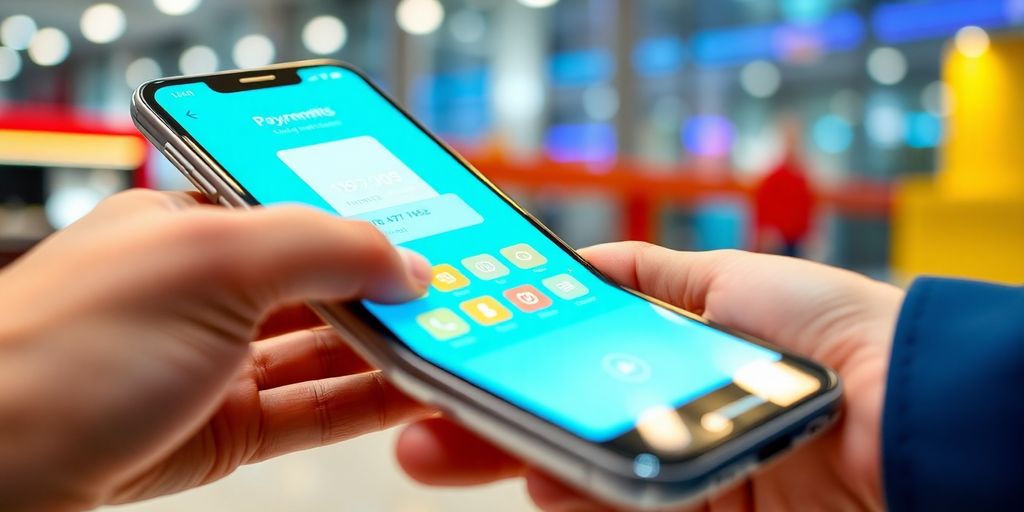
In 2025, AI and machine learning have become essential tools in the fight against payment fraud. These technologies are like the unsung heroes, working tirelessly behind the scenes. They monitor transactions in real-time, spotting any suspicious activity before it becomes a problem. This isn't just about catching fraudsters; it's about doing it fast enough to prevent any real damage. Businesses can breathe a little easier knowing that AI is on their side, keeping their transactions secure.
AI-Driven Personalization in Payments
AI is also making payments more personal. Imagine a checkout experience that seems tailor-made just for you. That's what AI-driven personalization aims to achieve. By analyzing your past purchases, AI can suggest products you might actually want, making the shopping experience smoother and more enjoyable. It's like having a personal shopper who knows exactly what you like. This level of customization not only boosts sales but also builds customer loyalty.
The Impact of Machine Learning on Transaction Speed
Speed is everything in today's fast-paced world, and machine learning is helping to keep payments quick and efficient. Thanks to intelligent routing, transactions are processed faster, reducing waiting times for customers. No one likes to be held up at checkout, and with machine learning, those delays are becoming a thing of the past. It's a win-win for both businesses and customers, as transactions become smoother and more reliable.
As we move forward, the integration of AI and machine learning in payment processing is not just a trend—it's a necessity. The benefits are clear: faster transactions, personalized experiences, and enhanced security. In a world where digital payments are king, these technologies are leading the charge toward a more efficient future.
The Expansion of Cross-Border Payment Solutions
Challenges in Cross-Border Transactions
Cross-border transactions can be a real headache for businesses. The biggest issues? High fees and unpredictable exchange rates. Imagine trying to budget when the cost of a transaction can change overnight. Then there's the delay in processing times, which can leave businesses waiting for days to receive funds. All of these factors add up, making it tough for companies to manage their finances efficiently.
Innovations in International Payment Systems
Thankfully, there's some light at the end of the tunnel. New technologies are stepping up to make cross-border payments smoother and faster. For instance, multi-currency accounts are becoming popular, allowing businesses to hold and manage different currencies in one place. This means fewer conversion fees and more control over exchange rates. Plus, real-time tracking systems are now available, providing transparency and peace of mind by letting businesses monitor transactions as they happen.
The Role of Blockchain in Cross-Border Payments
Blockchain technology is another game-changer in the world of cross-border payments. By using decentralized ledgers, blockchain can significantly reduce the time and cost involved in transferring money across borders. Transactions that once took days can now be completed in minutes, with lower fees. This is especially beneficial for small businesses that operate on tight margins and need every penny to count. Blockchain also enhances security, reducing the risk of fraud and errors in international transactions.
The future of cross-border payments looks promising, with advancements in technology making them faster and more affordable. As businesses continue to expand globally, these innovations will be crucial in overcoming the traditional hurdles of international transactions.
The Evolution of Digital Wallets
How Digital Wallets Work
Digital wallets have become a staple in our daily transactions, offering a convenient way to store and manage payment methods, loyalty cards, and even digital documents. Essentially, a digital wallet is a software application that allows users to make electronic transactions. They're like a virtual version of your physical wallet, storing not just money, but also other essentials like boarding passes and tickets. Here's a quick breakdown of how they function:
- Storage: Digital wallets store your payment information securely, often using encryption and tokenization to protect sensitive data.
- Access: You can access your digital wallet through a smartphone or computer, making it easy to use on the go.
- Transactions: With a tap or a click, you can make payments, transfer money, or redeem rewards.
The Rise of Text-to-Pay Services
Text-to-pay services are gaining traction as a quick and easy way to settle bills or make purchases. This method allows users to authorize payments via text message, eliminating the need for physical cards or cash. It's especially handy for recurring payments or when you're in a rush. Here's why text-to-pay is becoming popular:
- Convenience: No need to log into an app or website; just send a text to pay.
- Speed: Transactions are processed almost instantly, saving time.
- Security: Despite its simplicity, text-to-pay often incorporates security measures like two-factor authentication.
Digital Wallets vs. Traditional Payment Methods
As digital wallets grow in popularity, they are increasingly compared to traditional payment methods. While both have their merits, digital wallets offer unique advantages:
- Security: Digital wallets provide enhanced security features such as biometric authentication and encryption.
- Convenience: They eliminate the need to carry physical cards or cash, streamlining the payment process.
- Integration: Digital wallets can integrate with various services, offering a seamless payment experience across multiple platforms.
In 2025, digital payouts are transforming financial transactions by enhancing speed and efficiency. As technology advances, both businesses and consumers are shifting away from traditional banking methods. This evolution not only improves convenience but also emphasizes the importance of security in financial dealings, marking a significant change in how money is managed. source
The Future of Biometric Payments
Biometric Authentication in Payments
Biometric authentication is definitely changing how we pay for stuff. Instead of typing in passwords or PINs, we're using things like fingerprints and facial recognition. It's like something out of a sci-fi movie, but it's happening now. Biometric payments offer a blend of security and convenience that just can't be beat. Imagine paying for your groceries with just a smile or a tap of your finger. That's where we're headed.
Security Benefits of Biometric Systems
When it comes to security, biometric systems are a game-changer. They use your unique traits, like your fingerprint or face, which are pretty hard to fake. This makes it super tough for fraudsters to mess with your accounts. Plus, there's no more forgetting passwords or worrying about someone guessing them. Innovations are even looking at using things like your heartbeat or how you walk. These could soon replace traditional methods, making transactions not just secure but also a lot faster.
Consumer Adoption of Biometric Payment Methods
People are warming up to the idea of biometric payments. In places like Asia and Europe, it's already taking off, and the U.S. isn't far behind. Sure, there are some privacy concerns, but the ease and speed are winning folks over. As more people get comfortable with the idea of using their bodies as a password, we'll see even more growth in this area. The market is expected to grow big time, driven by the need for both convenience and security. So, get ready for a future where your face or fingerprint is all you need to pay for your morning coffee.
The shift towards biometric payments is not just a trend; it's a fundamental change in how we think about security and convenience in transactions. As technology continues to evolve, so too will our expectations for seamless and secure payment experiences.
The Influence of Central Bank Digital Currencies (CBDCs)
Central Bank Digital Currencies (CBDCs) are digital forms of a country's legal currency, issued and regulated by the central bank. Unlike cryptocurrencies, CBDCs are backed by the government, making them a stable option in the digital currency space. As cash usage declines, CBDCs might become the go-to method for digital transactions, offering a secure and efficient payment system.
Key Features of CBDCs:
- Government-backed: Ensures stability and trust.
- Legal Tender: Holds the same status as physical cash.
- Centralized Control: Managed by the central bank.
As we move towards a more digital world, CBDCs could play a pivotal role in transforming how we perceive and use money.
CBDCs are designed to function alongside traditional currencies, not replace them. They offer the same value but in a digital format, facilitating easier and faster transactions. While traditional currencies require physical handling and are subject to bank hours, CBDCs enable 24/7 access and instant transfers.
Comparison Table:
| Feature | CBDCs | Traditional Currencies |
|---|---|---|
| Form | Digital | Physical |
| Control | Centralized by the government | Decentralized among banks |
| Availability | 24/7 | Limited by bank hours |
| Transaction Speed | Instant | Can take days |
Countries around the world are exploring or have already launched CBDCs. For instance, the Bahamas has introduced the "Sand Dollar," and China is testing its "Digital Yuan." The adoption of CBDCs aims to improve financial inclusion, reduce costs associated with currency production, and enhance the efficiency of payment systems.
Reasons for Global Adoption:
- Financial Inclusion: Provides access to financial systems for the unbanked.
- Cost Efficiency: Lowers costs related to printing and distributing physical money.
- Innovation in Payments: Drives competition and technological advancement in payment systems.
In summary, Central Bank Digital Currencies are poised to reshape the financial landscape by offering a stable, efficient, and inclusive digital payment solution. As more countries explore CBDCs, we might witness a significant shift in how transactions are conducted globally.
Conclusion
As we look ahead to 2025, the world of digital payments is set to undergo some exciting changes. From mobile wallets to contactless transactions, the way we pay for things is getting faster and more convenient. Businesses and consumers alike are embracing these new technologies, which promise to make transactions smoother and more secure. But with these advancements come new challenges, especially around security and privacy. It's crucial for everyone involved to stay informed and adapt to these changes to make the most of the opportunities they present. So, whether you're a business owner or just someone who loves the convenience of digital payments, there's a lot to look forward to in the coming years.
Frequently Asked Questions
What are mobile payments?
Mobile payments let you buy stuff using your phone or tablet. You can pay for things in a store or online without needing cash or cards.
How do contactless payments work?
Contactless payments allow you to pay by tapping your card or phone on a special machine. It’s super quick and you don’t have to enter a PIN for small amounts.
What is a digital wallet?
A digital wallet is like a wallet on your phone. It stores your credit card info so you can pay for things without using the actual card.
How does blockchain help in payments?
Blockchain is like a digital ledger that keeps track of transactions. It makes payments more secure by ensuring that each transaction is recorded and cannot be changed.
What are biometric payments?
Biometric payments use your fingerprint or face to approve purchases. It’s a safe way to pay because only you can use your fingerprint or face.
What are Central Bank Digital Currencies (CBDCs)?
CBDCs are digital versions of money issued by a country’s central bank. They work like regular money but are completely digital.


Comments
Post a Comment