Top Tools for Preventing Online Payment Fraud in 2025: A Comprehensive Guide
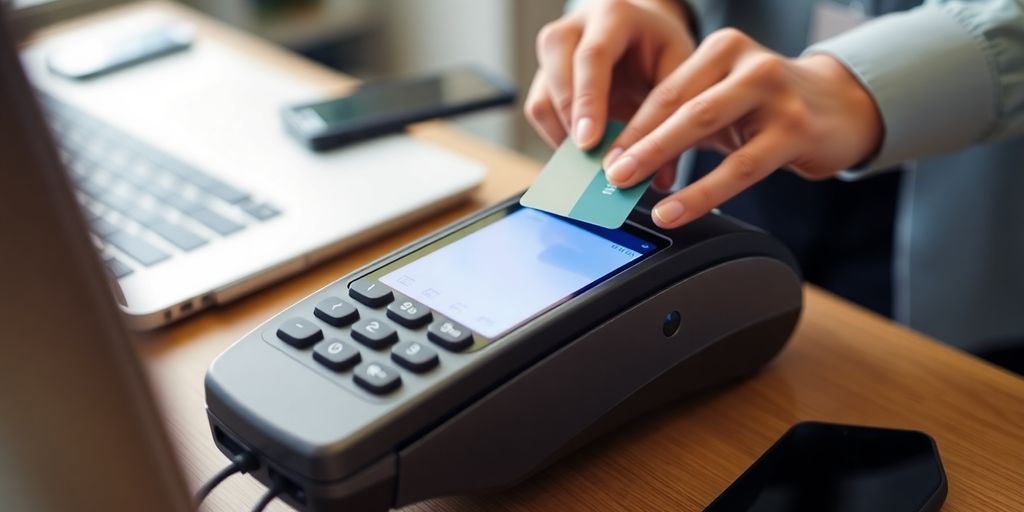
Online payment fraud is a big deal, and it's not going anywhere. As we move into 2025, businesses need to get serious about protecting themselves and their customers. With fraudsters getting smarter and tech evolving, it's crucial to stay ahead. This guide dives into the top tools to help you prevent online payment fraud, ensuring your transactions are secure and your business stays safe.
Key Takeaways
- Online payment fraud is a growing concern that requires proactive measures.
- Staying updated with the latest fraud prevention tools is essential for businesses.
- AI and machine learning are key players in detecting and preventing fraud.
- Secure payment gateways and real-time monitoring can drastically reduce fraud risks.
- Educating employees and customers about fraud prevention is crucial.
Understanding the Landscape of Online Payment Fraud
Common Types of Online Payment Fraud
Online payment fraud is a huge pain for businesses and consumers alike. Fraudsters are always coming up with new tricks to get their hands on your money. Some of the most common types include:
- Phishing Scams: These involve tricking people into giving up their personal info, like passwords or credit card numbers, by pretending to be a trustworthy source.
- Card-Not-Present (CNP) Fraud: This happens when someone uses stolen card details to make purchases online, without the physical card.
- Account Takeover (ATO): Here, hackers gain access to someone's account, often through stolen credentials, and make unauthorized transactions.
Each of these methods relies on exploiting weaknesses in security systems or human error, making it crucial to stay vigilant.
The Impact of Fraud on Businesses
Fraud doesn't just hurt the wallet; it damages trust and reputation too. Businesses facing fraud can encounter:
- Financial Losses: Direct losses from fraudulent transactions can be significant.
- Increased Operational Costs: Companies may have to spend more on security measures and fraud detection tools.
- Damage to Reputation: Customers losing trust can lead to a decline in sales and brand loyalty.
Fraud can also lead to legal troubles and regulatory fines, adding to the financial strain.
Emerging Fraud Trends in 2025
As we move into 2025, explore key trends in payment and fraud, highlighting the role of AI, digital IDs, and comprehensive strategies to protect businesses from increasing global fraud risks. Here are some trends to watch:
- AI-Powered Attacks: Fraudsters are using AI to create more convincing phishing scams and automate attacks.
- Synthetic Identity Fraud: Here, fake identities are created using real and fabricated info, making it tougher to detect.
- Cross-Border Fraud: With global commerce on the rise, fraudsters are exploiting differences in international regulations.
Fraud isn't just an IT issue; it's a business-wide challenge. Staying ahead means adapting quickly and investing in the right tools and strategies.
Advanced Technologies in Fraud Prevention
Role of AI and Machine Learning
Artificial Intelligence (AI) and Machine Learning (ML) are game-changers in fighting online payment fraud. These technologies analyze vast amounts of data in real-time, spotting anomalies and suspicious patterns that could indicate fraudulent activity. As they process more transactions, they become smarter and more accurate. This continuous learning helps businesses stay ahead of fraudsters. AI-driven systems can automatically flag or block transactions that seem off, reducing the need for manual checks and speeding up the fraud detection process. For businesses, this means less time worrying about fraud and more time focusing on growth.
Blockchain for Secure Transactions
Blockchain technology is making waves in ensuring secure transactions. It offers a decentralized and immutable ledger, which means once a transaction is recorded, it cannot be altered or deleted. This transparency and security make it tough for fraudsters to manipulate transaction data. Additionally, blockchain can facilitate faster cross-border payments, reducing the risk of fraud in international transactions. Companies leveraging blockchain are finding it easier to build trust with their customers, knowing their payment data is secure.
Biometric Authentication Methods
Biometric authentication methods like fingerprint scanning, facial recognition, and even voice recognition are becoming more common in preventing online payment fraud. These methods add an extra layer of security by verifying a user's identity based on unique biological traits. Unlike passwords or PINs, which can be forgotten or stolen, biometric data is much harder for fraudsters to replicate. Implementing biometric authentication can significantly reduce the chances of unauthorized transactions, giving both businesses and customers peace of mind.
Embracing these advanced technologies not only strengthens a business's defense against fraud but also enhances the overall customer experience by making transactions more seamless and secure.
Top Tools for Preventing Online Payment Fraud
Fraud Detection Software
Fraud detection software is a must-have for any business dealing with online transactions. These tools use algorithms and machine learning to identify suspicious activity. They analyze patterns in customer behavior to flag potentially fraudulent transactions before they occur. Some popular options include ClearSale, which leverages machine learning to approve orders and identify suspicious transactions.
Secure Payment Gateways
Having a secure payment gateway is like locking the front door of your online store. It encrypts sensitive information, ensuring that customer data is safe during transmission. This is crucial for maintaining trust and preventing data breaches. Popular payment gateways include Stripe and PayPal, known for their robust security features.
Real-Time Transaction Monitoring
Real-time transaction monitoring tools keep an eye on transactions as they happen, allowing businesses to react instantly to suspicious activity. This can prevent fraud before it results in chargebacks or financial loss. These tools often include features like velocity checks, which flag rapid, repeated purchases from the same user.
Implementing a combination of these tools can create a strong defense against online payment fraud. It's not just about having the tools, but also about using them effectively to protect your business and customers.
Implementing Strong Authentication Measures
Multi-Factor Authentication
In today's digital landscape, relying solely on a password is like locking your front door but leaving the windows wide open. Multi-Factor Authentication (MFA) is a must-have for any business serious about security. It adds an extra layer of protection by requiring users to provide two or more verification factors to gain access to a resource such as an application, online account, or VPN. Common methods include:
- Something you know: Password or PIN.
- Something you have: Smartphone or security token.
- Something you are: Fingerprint or facial recognition.
Tokenization and Encryption
Tokenization and encryption are two sides of the same coin when it comes to securing sensitive information. Tokenization replaces sensitive data with unique identification symbols that retain all the essential information about the data without compromising its security. Encryption, on the other hand, scrambles data into a code that can only be unlocked with a key. Both methods are crucial for protecting payment information and ensuring compliance with standards like PCI DSS.
Here's a simple comparison:
| Feature | Tokenization | Encryption |
|---|---|---|
| Data Storage | No sensitive data stored | Encrypted data stored |
| Use Case | Payment processing | Data transmission |
| Compliance | PCI DSS | GDPR, HIPAA |
Biometric Verification
Biometric verification is increasingly popular, thanks to its unique ability to use physical characteristics for identification. From fingerprints to facial recognition, these methods are not only convenient but also highly secure. They reduce the risk of fraud because biometric traits are hard to replicate. As mobile payment solutions continue to rise, integrating biometric verification can significantly enhance security.
Implementing strong authentication measures is not just about keeping up with trends; it's about creating a secure environment that protects both businesses and their customers from potential threats.
For more strategies on preventing payment fraud, consider the broader landscape of security measures and how they can be tailored to fit your specific needs.
Best Practices for Online Payment Security
Regular Security Audits
Regular security audits are like health check-ups for your payment systems. They help you spot vulnerabilities before they become a problem. Think of it like this: Would you rather find out about a security flaw during a routine check or after a breach? Audits should cover everything from software updates to network security, ensuring that all systems are up-to-date and compliant with the latest standards. Make sure to schedule these audits regularly and stick to the schedule.
Employee Training and Awareness
Your team is your first line of defense against payment fraud. Training your employees on security protocols and making them aware of the latest fraud tactics is crucial. Consider these steps:
- Conduct regular training sessions on security best practices.
- Simulate phishing attacks to test employee readiness.
- Keep everyone updated on the latest security threats.
By doing this, you create a culture of security awareness that can significantly reduce the risk of internal errors leading to breaches.
Customer Education and Support
Educating your customers about safe online payment practices can go a long way in preventing fraud. Inform them about the importance of strong passwords, recognizing phishing attempts, and using secure payment methods, like digital wallets. Provide support channels where they can report suspicious activities or ask questions about their account security.
"Empowering customers with knowledge not only helps in preventing fraud but also builds trust and loyalty."
By following these best practices, businesses can create a more secure payment environment, protecting both themselves and their customers from potential fraud threats.
Choosing the Right Fraud Prevention Service Provider
Evaluating Service Provider Capabilities
When it comes to picking a fraud prevention partner, you want to make sure you're getting the best bang for your buck. Ask yourself:
- Is the technology easy to deploy?
- Can it be customized to fit your business needs?
- How reliable is the data it uses?
- Can you measure its effectiveness with clear KPIs?
These questions help ensure the provider can adapt to your needs and deliver real, trackable results. It's also smart to check their track record with other clients.
Cost-Benefit Analysis
Balancing cost and benefit is key when selecting a service provider. Start by comparing prices and see what each offers in return. Consider:
- Setup and maintenance fees.
- Flexibility in pricing plans.
- Expected ROI.
A fraud detection solution should not only fit your budget but also offer a return that justifies the investment. Remember, saving a few bucks upfront might cost you more in the long run if the service isn't effective.
Integration with Existing Systems
Seamless integration with your current systems is crucial. You don't want to overhaul your entire setup just to accommodate a new tool. Consider:
- Compatibility with existing software.
- Ease of integration.
- Support and resources offered by the provider.
A provider that offers robust support during integration can make the transition smoother and less disruptive to your operations.
Picking the right fraud prevention service provider isn't just about finding the cheapest option. It's about ensuring the provider can meet your specific needs, offer measurable benefits, and integrate smoothly with your current operations. Taking the time to evaluate each option thoroughly will pay off in the long run.
Regulatory Compliance and Fraud Prevention
Understanding PCI DSS Standards
The Payment Card Industry Data Security Standard (PCI DSS) is like the rulebook for keeping payment data safe. It sets the guidelines businesses must follow to protect cardholder information. Failing to comply with PCI DSS can lead to hefty fines and even legal trouble. Companies need to regularly update their systems and processes to align with the latest PCI DSS version, which evolves to address new security challenges.
GDPR and Data Protection
The General Data Protection Regulation (GDPR) is all about protecting personal data. It impacts how companies handle customer information, especially in online transactions. Businesses need to ensure they're transparent about data collection and use, and they must secure customer consent. Non-compliance can result in significant penalties, so it's crucial for businesses to integrate GDPR principles into their operations.
Cross-Border Payment Regulations
Handling payments across borders brings a whole new set of rules. Different countries have their own regulations, and businesses must navigate these to avoid legal issues. For instance, by March 2025, companies processing credit card payments are required to adopt 3D Secure authentication to meet new regulatory standards. Understanding these regulations is key to preventing fraud and ensuring smooth international transactions.
Regulatory compliance isn't just about avoiding fines; it's about building trust with customers. When businesses prioritize compliance, they create a secure environment for transactions, fostering customer confidence and loyalty.
Future of Online Payment Fraud Prevention
Predictions for 2025 and Beyond
The future of online payment fraud prevention is set to be both exciting and challenging. As we step into 2025, fraud tactics are expected to become more sophisticated, requiring equally advanced countermeasures. One major prediction is the increased reliance on AI for text analysis to spot unusual patterns and flag suspicious transactions. This will be crucial in identifying and stopping fraud before it causes significant harm.
Innovations in Fraud Detection
Innovations in fraud detection are likely to focus on real-time analysis and response. This means leveraging technologies that can instantly assess and act upon potential threats. Expect to see more integration of blockchain technology, which offers secure and transparent transaction processes, reducing opportunities for fraudsters. Additionally, biometric authentication will continue to evolve, providing a more personal and secure method of verifying identities.
Building a Resilient Payment Ecosystem
Creating a resilient payment ecosystem involves several key strategies. First, businesses must continuously update their fraud prevention tools to keep up with new threats. Second, there should be a focus on collaboration between financial institutions, sharing information and strategies to combat fraud. Finally, consumer education will play a vital role in prevention, as informed users are less likely to fall victim to scams.
As we look to the future, it's clear that preventing online payment fraud will require a blend of technology, collaboration, and education. By staying ahead of fraudsters, businesses can protect themselves and their customers better.
Wrapping It Up
So, there you have it. We've walked through the top tools to keep online payment fraud at bay in 2025. It's a wild world out there, and staying ahead of the game is more important than ever. With tech evolving at lightning speed, businesses need to arm themselves with the best tools and strategies. Whether it's using AI for real-time monitoring or implementing multi-factor authentication, every step counts. Remember, it's not just about having the tools but knowing how to use them effectively. Keep learning, stay vigilant, and don't let the fraudsters win. Until next time, stay safe online!
Frequently Asked Questions
What is online payment fraud?
Online payment fraud is when someone tricks you to steal your money or personal info during a payment. It can happen when buying things online or sending money through websites.
How does AI help stop payment fraud?
AI can quickly look at lots of transactions and spot unusual activity. This helps catch fraud before it causes big problems.
What is multi-factor authentication?
Multi-factor authentication is when you need more than one way to prove it's you before accessing an account. It's like using a password and a code sent to your phone.
Why is payment security important for businesses?
Payment security keeps customers' money and info safe. If businesses don't protect this, they can lose trust and face big losses.
How does blockchain make payments safer?
Blockchain records transactions in a way that makes them hard to change. This helps prevent fraud by keeping a clear and secure record.
What should I do if I suspect payment fraud?
If you think there's payment fraud, tell your bank or payment service right away. They can help stop it and keep your money safe.


Comments
Post a Comment