Understanding What is a Payment Gateway and How Does it Work for Your Business?
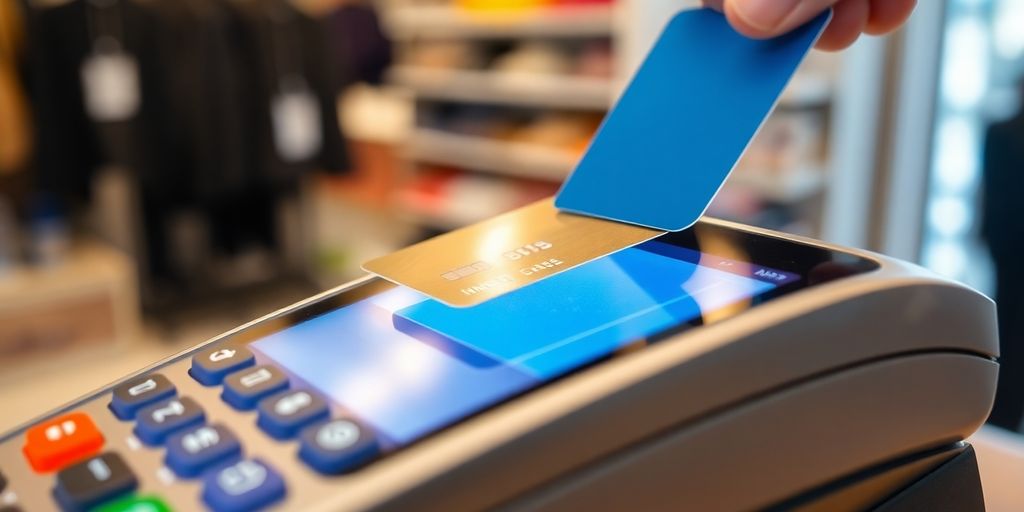
Ever tried to pay for something online and wondered how it all works? That's where payment gateways come in. They're like the middlemen of online transactions, making sure your money gets from your bank account to the seller's, all while keeping everything safe and sound. Whether you're buying a new pair of shoes or paying for a streaming service, a payment gateway is hard at work behind the scenes. In this article, we'll break down what a payment gateway is, how it operates, and why it’s important for businesses like yours.
Key Takeaways
- A payment gateway is essential for online transactions, acting as a secure bridge between customers and merchants.
- It handles the authorization of payments, ensuring funds are available before completing a transaction.
- Security features like encryption and PCI compliance are crucial to protect sensitive data during transactions.
- Choosing the right payment gateway depends on factors like cost, integration options, and supported payment methods.
- Payment gateways and processors are different but work together to complete transactions.
The Basics of Payment Gateways
Definition and Purpose
A payment gateway is like the middleman between your business and your customer's bank. It's the technology that captures and sends payment details securely to process transactions. Think of it as the online equivalent of a cash register in a physical store. It doesn't just handle card payments but can also manage other methods like digital wallets or even cryptocurrencies.
Key Components
- Merchant Account: This is where the money gets deposited after a transaction is approved.
- Payment Processor: They handle the transaction data and communicate between banks.
- Security Protocols: These ensure that sensitive information is encrypted and safe from fraud.
Common Misconceptions
- Payment Gateways vs. Payment Processors: People often mix these up. While a gateway collects and encrypts payment info, the processor handles the actual transaction.
- They're Only for Online Stores: Not true! Even physical stores use gateways for things like tap-to-pay.
- All Gateways Are the Same: They vary a lot in terms of fees, features, and the types of payments they support.
Understanding these basics can help you choose the right solution for your business. Whether you're selling online or in a brick-and-mortar shop, a payment gateway is crucial for smooth transactions.
How Payment Gateways Work
Step-by-Step Process
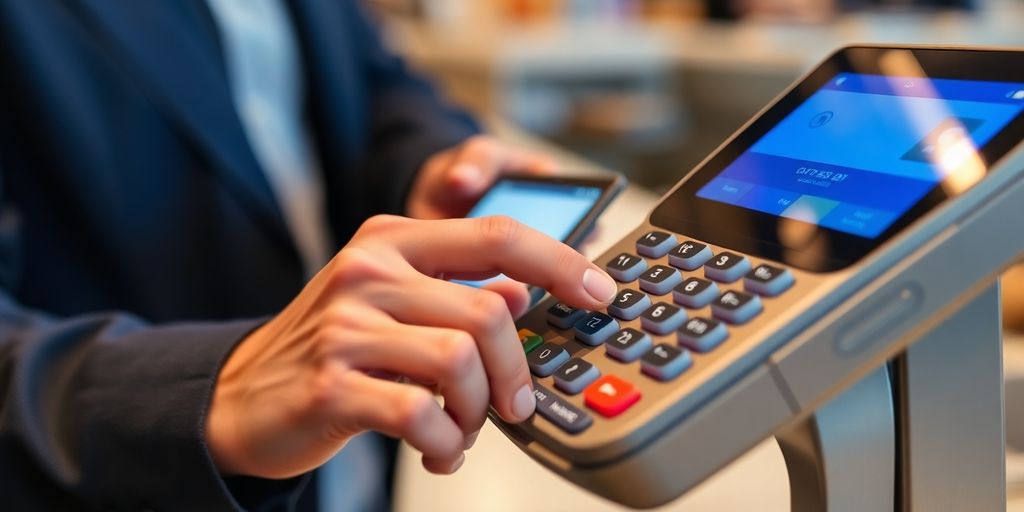
To start, integrating a payment gateway into your online store is crucial. This involves selecting a service provider and embedding their system into your website's checkout process. This setup allows you to accept various payment methods, tailored to your business needs. Once set up, here's how it unfolds:
- Customer Purchase: A customer selects items and heads to the checkout.
- Payment Details: They enter payment details like card number, name, expiry, and CVV.
- Redirection: The website directs them to the payment gateway for secure processing.
- Authorization: The gateway encrypts the data and contacts the bank for transaction approval.
- Confirmation: Upon approval, funds transfer begins, and the customer gets a confirmation.
Role in Online Transactions
Payment gateways are like the digital bridge between your business and the banks. They manage the exchange of payment details and ensure transactions are secure. Without them, processing payments online would be both risky and cumbersome. They handle everything from verifying customer funds to ensuring the money reaches your account.
Integration with E-commerce Platforms
Most e-commerce platforms, like Shopify or WooCommerce, offer plugins for easy payment gateway integration. These plugins simplify the process, allowing you to focus on running your business while they handle the technical details. With these integrations, you can offer multiple payment options, making it easier for customers to complete transactions.
In essence, a payment gateway is vital for any business looking to accept payments online. It not only ensures security but also streamlines the entire transaction process, making it seamless for both you and your customers.
Choosing the Right Payment Gateway for Your Business
Factors to Consider
Picking a payment gateway isn't just about plugging a hole in your checkout process; it's about finding the right fit for your business needs. Here are a few things to keep in mind:
- Compatibility: Ensure that the gateway works seamlessly with your existing website, app, or even your physical point-of-sale terminals. You don't want to be stuck with a system that doesn't play nice with what you already have.
- Integration: Look at the cost and effort involved in integrating the gateway with your current setup. This includes any changes to your online payment pages or equipment.
- Settlement Speed: Ask about how quickly funds are settled and whether they are settled gross or net of fees. This can have a big impact on your cash flow.
- Payment Options: Choose payment gateways that offer a variety of options, including credit/debit cards, digital wallets, and international payments, to meet customer preferences.
- Fee Structure: Be clear on all costs involved, from setup fees to transaction charges, so you can compare effectively.
- Security Certifications: Make sure the gateway is PCI compliant and has the necessary certifications to handle sensitive customer data.
Comparing Popular Options
When it comes to payment gateways, one size doesn't fit all. Here’s a quick comparison of some popular ones:
| Gateway | Best For | Key Features |
|---|---|---|
| Stripe | Online businesses | Customizable, supports many currencies |
| PayPal | Small to medium businesses | Easy to integrate, widely recognized |
| Square | Brick-and-mortar stores | Includes POS hardware, simple setup |
Customizing for Your Needs
Every business is unique, and so is its payment processing need. You might need a gateway that offers specific features like recurring billing or advanced fraud detection. Some gateways let you customize the checkout experience to match your brand, while others might offer integration with other tools you use, like accounting software or CRM systems.
Picking the right payment gateway isn't just a technical decision; it's a strategic one that can affect everything from your cash flow to customer satisfaction. Take the time to weigh your options and make a choice that aligns with your business goals.
Security Features of Payment Gateways
Encryption and Tokenization
When you use a payment gateway, it's like sending your payment details through a super-secure tunnel. Encryption transforms your data into a code that only the intended recipient can decipher. This ensures that sensitive information like credit card numbers remains safe from prying eyes. On top of that, payment gateways use tokenization. Instead of sending your actual card details, they substitute it with a unique token, making the data useless if intercepted. It's like trading your car keys for a secret code that only your car recognizes.
PCI Compliance
Payment gateways must adhere to the Payment Card Industry Data Security Standard (PCI DSS), a set of security standards designed to protect card information during and after a financial transaction. Being PCI compliant means the gateway has met rigorous security requirements. This involves regular audits and maintaining a secure network to safeguard cardholder data. PCI compliance is not just a badge of honor; it's a legal requirement for any business handling credit card transactions.
Fraud Prevention Measures
Fraud is a big concern for any online transaction. Payment gateways incorporate advanced fraud detection tools to protect your business and customers. These tools monitor transaction patterns and use algorithms to flag suspicious activities. For example, if someone tries to make a purchase from an unusual location or with a flagged device, the gateway can halt the transaction. Additionally, features like 3D Secure add an extra layer of verification, requiring users to authenticate their identity before completing a purchase.
Ensuring the security of online transactions is a continuous effort that involves multiple layers of protection. With the right security features in place, businesses can offer their customers peace of mind and a safer shopping experience.
Benefits of Using a Payment Gateway
Enhanced Security
When you're running an online business, protecting your customers' payment information is a big deal. Payment gateways are designed with top-notch security features, like encryption and tokenization, that keep sensitive data safe. This means that even if someone tries to intercept the data, they won't be able to read it. It's like having a digital fortress guarding your transactions.
Improved Customer Experience
A smooth checkout process can make or break a sale. Payment gateways streamline this process by offering multiple payment options, so customers can choose their preferred method, whether it's a credit card, digital wallet, or even bank transfer. This flexibility not only speeds up the transaction but also reduces cart abandonment rates. Customers appreciate the convenience, and it can lead to increased loyalty.
Global Reach and Scalability
With a payment gateway, your business isn't limited to local transactions. You can accept payments from customers all around the world, in different currencies, without the headache of manual conversions. This global reach means you can expand your market without geographical constraints. Plus, as your business grows, a robust payment gateway can easily scale with you, handling increased transaction volumes effortlessly.
By integrating a payment gateway, businesses can not only enhance security and improve customer satisfaction but also tap into global markets with ease. This trifecta of benefits makes payment gateways an essential tool for modern e-commerce operations.
Consider a payment gateway as your digital cashier, ensuring smooth transactions between banks and merchants while offering perks like international payments and multiple payment methods.
Payment Gateway vs. Payment Processor
Understanding the Differences
When it comes to handling online payments, two key players often come into the picture: payment gateways and payment processors. These components, while closely related, serve different purposes in the payment ecosystem.
- Payment Gateway: Think of this as the front door to online transactions. It captures and encrypts the customer's payment details like credit card information, ensuring that this sensitive data is securely transmitted for authorization.
- Payment Processor: This acts as the middleman that moves the transaction data between the customer's bank and the merchant's bank. It handles the actual flow of funds, ensuring that money is debited from the customer's account and credited to the merchant's account.
In essence, while the payment gateway focuses on collecting and securing payment details, the payment processor is responsible for the movement of money.
How They Work Together
Payment gateways and processors work hand-in-hand to facilitate seamless transactions. Here's how they collaborate:
- Data Capture: The payment gateway gathers and encrypts the customer's payment information.
- Authorization Request: It sends this encrypted data to the payment processor.
- Approval Process: The processor communicates with the relevant banks to approve or decline the transaction.
- Transaction Completion: Once approved, the processor facilitates the transfer of funds to the merchant's account.
By working together, they ensure that online transactions are not only efficient but also secure.
Choosing the Right Combination
Selecting the right mix of payment gateway and processor depends on several factors:
- Business Needs: Consider your transaction volume, business model, and customer base.
- Features and Fees: Different providers offer various features and fee structures. It's essential to compare these to find the best fit for your business.
- Security Measures: Ensure that both the gateway and processor offer robust security features to protect against fraud.
In the world of online transactions, understanding the roles of payment gateway and payment processor is key to choosing the right solution for your business. They work together to ensure that payments are processed smoothly and securely, making them crucial components of any e-commerce setup.
Future Trends in Payment Gateway Technology
Emerging Technologies
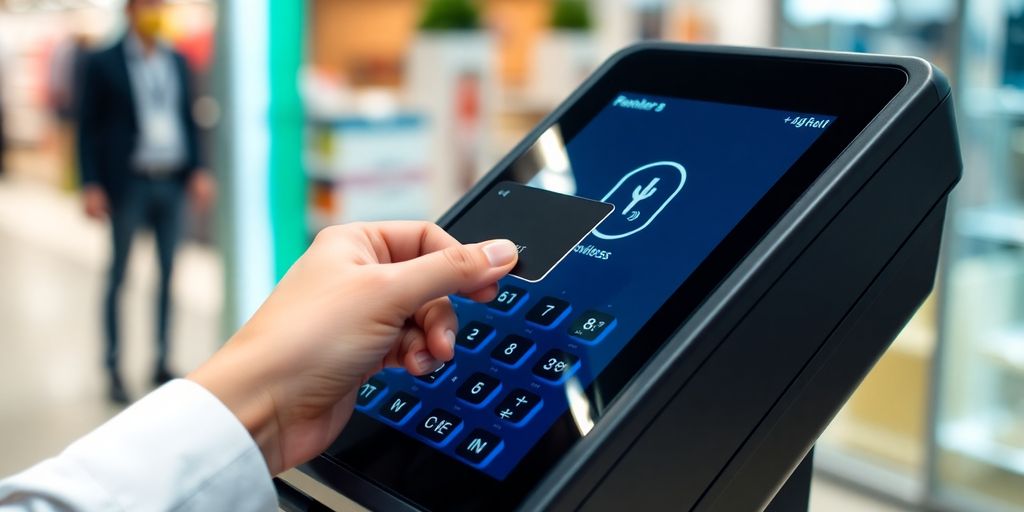
The landscape of payment gateways is rapidly evolving, driven by new technologies that promise to reshape how transactions are processed. One significant trend is the adoption of biometric authentication methods like fingerprint and facial recognition, which aim to enhance security and user convenience. Additionally, the rise of 5G technology is expected to facilitate faster and more reliable mobile payments, further integrating seamless transactions into everyday life.
Impact of AI and Machine Learning
Artificial Intelligence (AI) and Machine Learning (ML) are playing pivotal roles in transforming payment gateways. These technologies are being used to analyze transaction data in real-time, enabling smarter fraud detection and prevention. By learning from patterns and anomalies, AI systems can predict and mitigate fraudulent activities more effectively than traditional methods. Moreover, AI-driven chatbots are being deployed to improve customer service, offering instant support and personalized recommendations.
The Role of Blockchain
Blockchain technology is another game-changer for payment gateways, offering unprecedented levels of transparency and security. With its decentralized nature, blockchain can reduce the risk of fraud and errors in transactions. It also enables faster cross-border payments by eliminating the need for intermediaries, making it a valuable addition to the global payment landscape. As businesses increasingly look for ways to optimize their payment processes, blockchain's potential for innovation and efficiency is becoming more apparent.
As we move forward, the integration of these technologies into payment gateways not only promises enhanced security but also a more streamlined and user-friendly experience for businesses and consumers alike.
Conclusion
So, there you have it. Payment gateways are like the unsung heroes of online shopping. They make sure your money gets from point A to point B without a hitch. For businesses, they're a must-have. They help you get paid quickly and securely, which is what every business owner wants, right? Plus, they give your customers peace of mind, knowing their info is safe. Whether you're running a small online shop or a big e-commerce site, picking the right payment gateway can make a world of difference. It's all about finding the one that fits your needs and keeps things running smoothly. So, take your time, do your homework, and choose wisely. Your business will thank you for it.
Frequently Asked Questions
What exactly is a payment gateway?
A payment gateway is a tool that helps businesses accept payments online or in stores. It securely sends payment info from the customer to the bank for approval.
How does a payment gateway function?
When you buy something online, the payment gateway takes your payment details, checks with the bank, and tells you if the payment went through.
Is there a difference between a payment gateway and a payment processor?
Yes, a payment gateway collects payment details and checks them, while a payment processor moves the money between banks.
What should I consider when picking a payment gateway for my store?
Think about the fees, how easy it is to use, security features, and if it works with your online store platform.
How does a payment gateway keep my payment details safe?
Payment gateways use special codes and rules to keep your payment info private and safe from hackers.
Can a payment gateway work with different currencies?
Yes, many payment gateways let you accept payments in different currencies, which is great for businesses selling worldwide.


Comments
Post a Comment